Baby Colic, Cutting Out Milk Vs All Dairy
We discuss colic in babies and dairy, and the research around whether or non breastfeeding moms should go dairy free.
When I was breastfeeding in the early days of my son'southward life, nosotros were told he had low-course colic (and if that was LOW GRADE, heaven help the mamas who accept it worse). But to paint a picture for you it seemed like if he wasn't sleeping, he was crying all the live-long-day. My doctor suggested I cutting out dairy since he was exclusively receiving my milk, and out of agony, I gave it a go. Did it work? Not for me. He continued with his cranky self for another calendar month until turned iv months and bam, he was a happy child. But I hear from a lot of moms that while it totally sucked non to consume water ice cream or brie cheese (peculiarly afterward 9 months of giving the good stuff up), cutting out dairy in those early days saved their sanity and breastfeeding journeying. But is there whatsoever research to support these alleged link between colic in babies and dairy? Nosotros wanted to check this out.
What is Colic in Babies?
Colic is when a infant is demonstrating loud, inconsolable periods of crying for no credible reason. This usually lasts for 3+ hours a day and persists several times a calendar week for more than than 3 weeks consecutively. These intense crying spells usually get-go within the first two-3 weeks after birth and generally subside when the baby is around 3 months old and occur in 17-25% of babies. For a baby to be classified equally colicky, they must be gaining weight unremarkably and exist otherwise healthy. It is more than often experienced in the evenings and there is no known handling for it, although some medications and treatments are thought to help symptoms for a brusk period of time.
What Causes Colic in Babies?
Unfortunately, nosotros don't exactly know as it is oftentimes multifactorial and also individual to each infant but here are some common theories.
Food Allergies and Intolerances from Formula or Breastmilk
Information technology'due south frequently idea that components of what baby is eating (either the formula or something in mom'due south breastmilk) tin trigger agin reactions. In the case of breastfed babies, what the mother consumes can also play a role every bit proteins from the mother's diet (similar cow's milk poly peptide, as well as other proteins) can exist present in her breast milk. This isn't ordinarily a bad matter as some inquiry suggests that it can help desensitize the baby to the proteins and college levels of IgA from moo-cow's milk are thought to play a role in this desensitization. All the same, some research suggests that the allowed-mediated response to certain proteins establish in food may play a role in colic symptoms in some babies. Not all (case in point, my fiddling tot), only potentially some.
Feeding From Both Breasts Without Elimination the Breast

Breast milk is fabricated up of fore milk (which is higher in lactose or milk sugar) and hind milk (which is college in fatty), and baby needs to beverage enough from one breast to attain the fatty hind milk at the end of the feed. If baby is consistently switched to the 2nd breast before reaching the fat stuff, they'll potentially be consuming a lot of lactose which may overwhelm the lactase enzyme that's responsible for breaking down sugar. The result may look like temporary symptoms of lactose intolerance. This doesn't mean your babe is lactose intolerant, just you may need to exist more than purposeful in letting baby drain the first breast (potentially with the assist of compressions) earlier switching to the next breast.Â
Overactive Letdown Reflex
Sometimes mothers may accept an overabundant and quick menstruum of breastmilk. This overactivity can be difficult for the baby to cope with and crusade them to cough, asphyxiate or even refuse to accept the chest on occasions. During this time, the baby can become very fussy and irritable, therefore, demonstrating signs of colic. It's also common for women to accept 1 breast that has a more than active letdown than the other, which may explain why some babies have a articulate preference for i breast over the other.
Acid reflux
Gastro-esophageal reflux is mutual for young infants, and babies can spit up acidic stomach contents, irritating their delicate esophagus. This occurs due to slow gastric emptying or in cases of upper GI disorders affecting movement (from severe neurodevelopment impairment). It tin can also occur when infants take a hypersensitivity/allergy to something they're consuming (either formula, or a component of their mom'south breastmilk). Reflux can obviously be painful and irritate the esophagus, therefore, increasing colic-similar symptoms.
Poor Latch
If a baby's latch isn't smashing, it's common for baby to suck in air, which in plough causes intestinal gas. Babe also tin can eat excess air just from crying, which starts a vicious cycle where crying can perpetuate more crying. In my son'southward case, it was that he had a astringent lip and tongue tie when he was born, both of which were removed shortly later on birth. Nevertheless, because of how his mouth formed in utero due to the tongue tie, it took time for his hard palate to flatten out enough for him to class a solid latch. When his mouth finally did change and grow (around iv months), he no longer was sucking in so much air, and was transformed into a happier infant.
Overstimulation from the environment
When being exposed to new environments, infants may become overwhelmed and find it difficult to process vast amounts of information. This overstimulation oftentimes happens at the cease of a long day in a new environment, which may explain why most moms draw the "witching hour" around 5 PM.
Symptoms of Colic and Signs of Food Allergy or INTOLERANCE
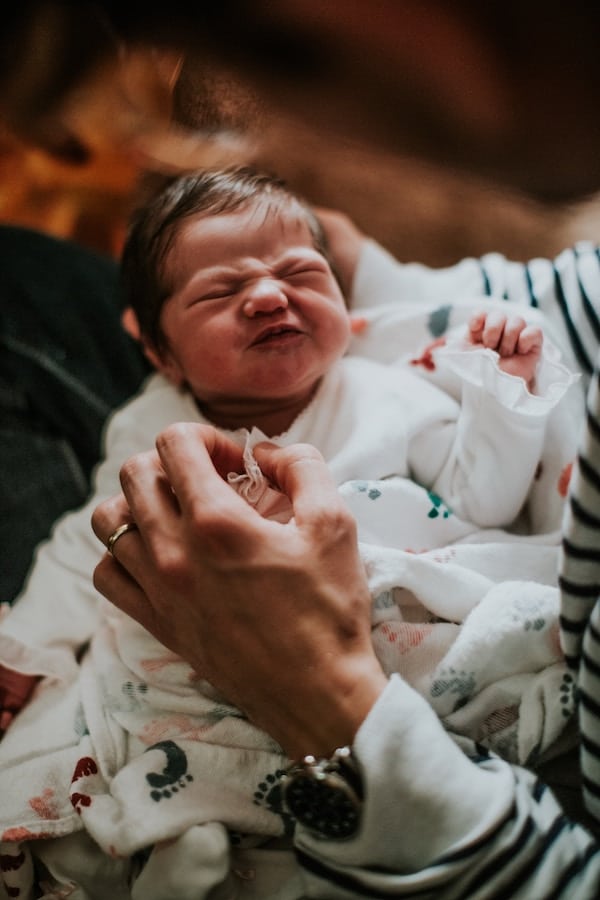
As discussed above, food intolerances and allergies are a commonly cited trigger for colic in babies. If you lot suspect that your babe may be colicky due to something in his (or your) nutrition, here are some common signs to expect for:
Here are some mutual signs of intolerance and allergy to look out for:
- Fussiness later feeding
- Crying for long periods of time
- Sleeping little/waking of a sudden with obvious discomfort
- Rash/hives/eczema
- Sore lesser
- Dry skin
- Wheezing/asthma
- Congestion/cold-like symptoms
- Red and itchy optics
- Intestinal upsets
- Constipation/diarrhea
- Light-green stools with fungus or blood
- Vomiting
What is Research Maxim about Dairy and Colic in Babies who are Breastfed?
 As expected, helping your baby recover from colic is non a one-size-fits-all situation and the research has been mixed at best. One review of the literature found that in analyzing 15 randomized control trials on the topic yielded a pool of research that was heavily biased and of poor blueprint.
One study on ninety infants found that 74% of infants responded positively to a low-allergen maternal nutrition free of moo-cow's milk, eggs, peanuts, basics, wheat, soy, and fish. Which of these allergens (or how many) actually played a role in colic symptom reduction, was not adamant.
Another study put 66 mothers on a diet free of cow'south milk for ane week initially, and and then were told to re-innovate it back into the diet. This was repeated twice. If colic disappeared, they were then put into a randomized double-blind study. For 35 out of 66 infants, colic disappeared completely. However, for 23 infants, colic reappeared in both cases of re-introduction. Those who went on to the double-blind portion of the study connected with a dairy-gratis diet but they were also given gelatinous capsules with either 200g of cow'southward milk whey poly peptide or potato starch. Symptoms reappeared within ane-viii hours after re-introduction of the cow'southward milk protein capsule in 35% of infants and there were no reactions after taking the placebo capsules. The researchers concluded that reducing cow milk consumption in breastfeeding mothers reduced 35% of colic in infants. So again, it doesn't piece of work for anybody, but may be a contributing piece.
Alternatively, another small report found that breastfeeding mothers who avoided cow'due south milk found no reduction in the charge per unit of colic in babies. Interestingly, chocolate appeared to be a bigger culprit than milk. One thing to notation, however, is that soy milk was used as the comparing to cow'due south milk, and because this is as well a mutual allergen, it could have skewed the results.
So it's clear that this is controversial and absolutely not conclusive. And like near nutrition outcomes, is undeniably an individual thing. However, a 2008 clinical report in Pediatrics concluded that current evidence isn't supportive of maternal dietary restrictions (for most healthy women) during pregnancy or lactation. What is recommended is breastfeeding for at least 4 months, as exposing babies to antigens in breastmilk may help preclude atopic dermatitis, cow's milk allergy and wheezing.
What about Dairy Based Formula and Colic?
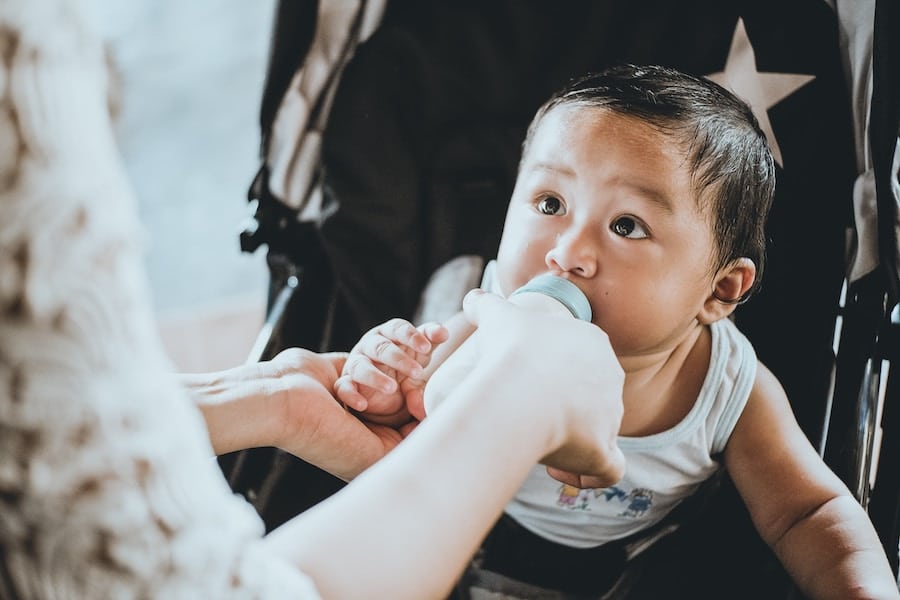
For babies who are formula fed, the evidence on colic in babies and dairy formula is alien, at best. One super modest 19-person report reported that consuming cow'south milk formula resulted in an average crying time of 17.three hours per week in comparing to soy formula that resulted in 12.seven hours per week. Comparing hydrolyzed formulas (that is, formulas that have been broken down into smaller peptides) with regular standard formula have had mixed results. I study with 43 infants reported that viii/23 of infants on a hydrolyzed formula saw a reduction in colic compared with 5/20 of standard formula babies. Small-scale differences, but still technically pregnant. Another concurred, with hydrolyzed formula babies having 1.76 colic episodes compared with 3.32 in the standard formula group. So while the prove we do take and so far is based on very small sample sizes, and we admittedly need more robust research to confirm, it's possible that hydrolyzed dairy based formulas may be helpful for some formula fed babies suffering from colic.
Could Dairy Elimination while Breastfeeding or Formula Feeding Cause an Allergy?
This is a controversial topic but something I've been thinking nearly equally I see a lot of parents simply opting to become dairy free with their kiddos. The reply? We don't really know. Early research suggests that maternal elimination of cow's milk while breastfeeding may actually be associated with the development of a cow'south milk allergy in babies. Why? They institute that when mothers consume cow'due south milk, levels of IgA (an antibiotic that plays a role in immune role) in breastmilk are much college. Secretory IgA is thought to provide a protective effect, favour tolerance development and therefore prevent cow'south milk allergy.
However, this may not exist the case for loftier risk babies. Studies conducted by Chandra et al. (1986) and Zeiger et al. (1989) have suggested that avoiding common allergens during lactation could do good at chance infants (those with atopic mothers) by decreasing incidence of atopic eczema. A study conducted by Hattevig et ul. (1989, 1990) also favored this hypothesis stating, “Both groups ended that maternal dietary intervention during the catamenia of breast-feeding afforded a meaning reduction in the incidence of atopic eczema in at-risk infants. Lower milk-specific antibody levels were also plant in the intervention group compared with the other 2 groups at 6 months. A more than recent (albeit) small study looked at the effect of a maternal milk-complimentary diet on immune response and allergy in at-adventure babies. Non surprisingly, infants built-in from mothers with no allergic predisposition had a much lower incidence of allergy compared to infants born from mothers who did take a milk allergy. However, when comparison the allergic moms who followed a milk free diet with the allergenic moms who ate dairy, they establish lower rates of allergy in the milk-free babies. This was a super small-scale written report so we definitely need more than time and show before we can make whatever recommendations. This was likewise specific for milk allergy, and not lactose intolerance.
So where does that atomic number 82 us? Well, if consuming cow's milk causes you (the mother) discomfort, or you're noticing it may play a function in your baby'southward colic symptoms, then this is a true benefit and gamble analysis, and similar everything, is something to talk over with your doctor.
Suggested Method for Elimination of DairyÂ
If you're a dairy loving breastfeeding mama with a baby suffering from colic, and want to trial a dairy-gratuitous nutrition, information technology's recommended you allow yourself at least 10-fourteen days to gage whatever result. This would hateful removing cow's milk, yogurt, cheese, butter and water ice-cream. Throughout the emptying period, you would want to closely monitor the baby and look for any signs of improvement. If there is no colic improvement, you can then reintroduce dairy dorsum into the diet. If the infant reacts positively, you can still try to add in a small corporeality of dairy at a fourth dimension. Every bit discussed earlier, most babies can tolerate some dairy, then see what amount is all-time earlier the colic symptoms return.
What are the Nutritional Concerns of Eliminating Dairy? How do we practise information technology Safely?
As with any type of elimination diet, there is nutritional risk when you cutting out a nutrient group. This is specially true for going dairy-gratuitous while breastfeeding every bit lactating women's nutritional needs are enhanced and dairy is an easy, palatable and relatively inexpensive style to fill those gaps. Also, water ice cream is DELISH. The chief nutrients of concern are calcium, protein, and vitamin D so you would accept to make extra endeavour to expect for alternative sources.
Hither are some options you lot may want to incorporate into your nutrition when temporarily eliminating dairy:
1.Calcium
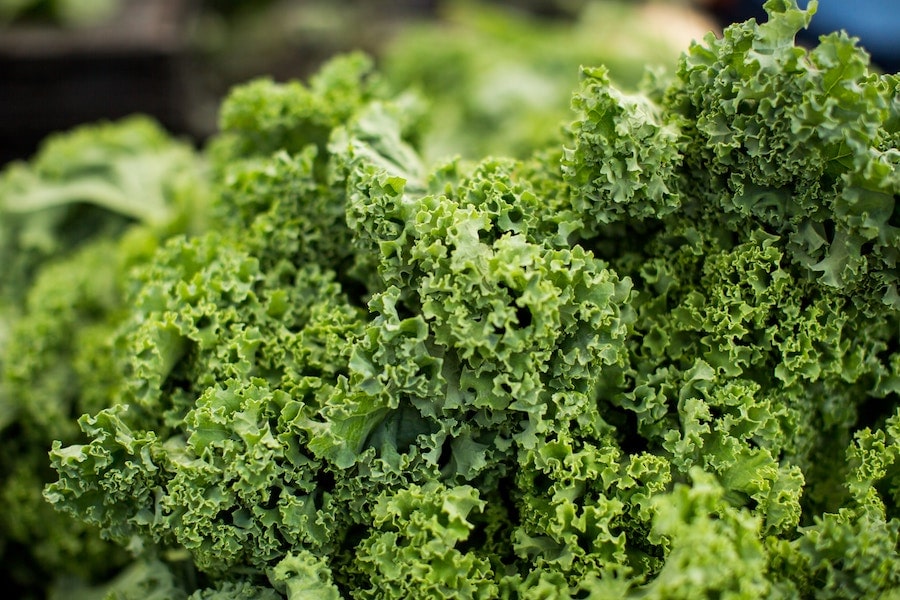
- Dark leafy greens like kale, collard, swiss chard, okra, and broccoli
- Soy milk, soy beans, tofu
- Nuts
- Some fish (with bones) like sardines and salmon
2. Protein
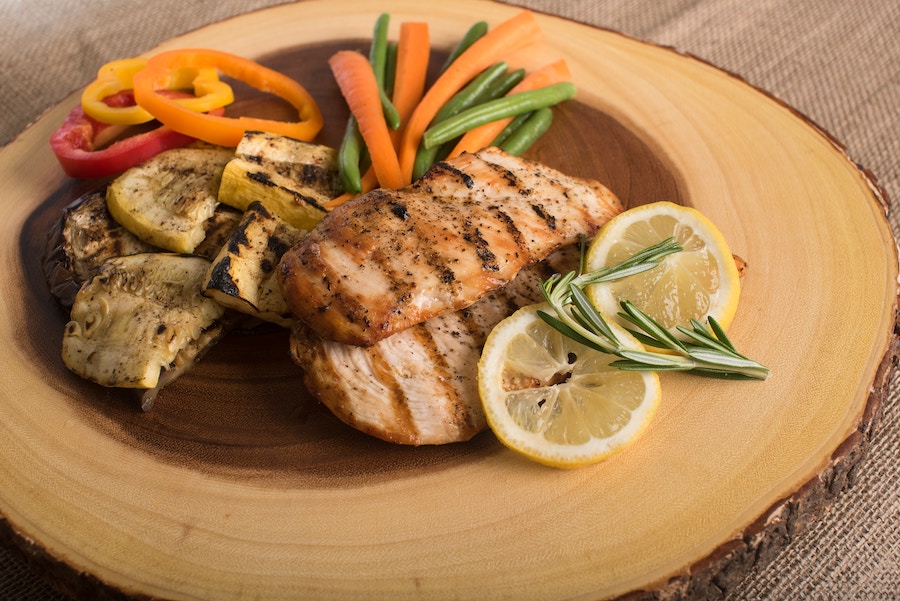
Epitome source: Carnivore Style
- Meat, poultry, fish
- Tofu
- Beans and legumes
- Basics and seeds
iii. Vitamin D
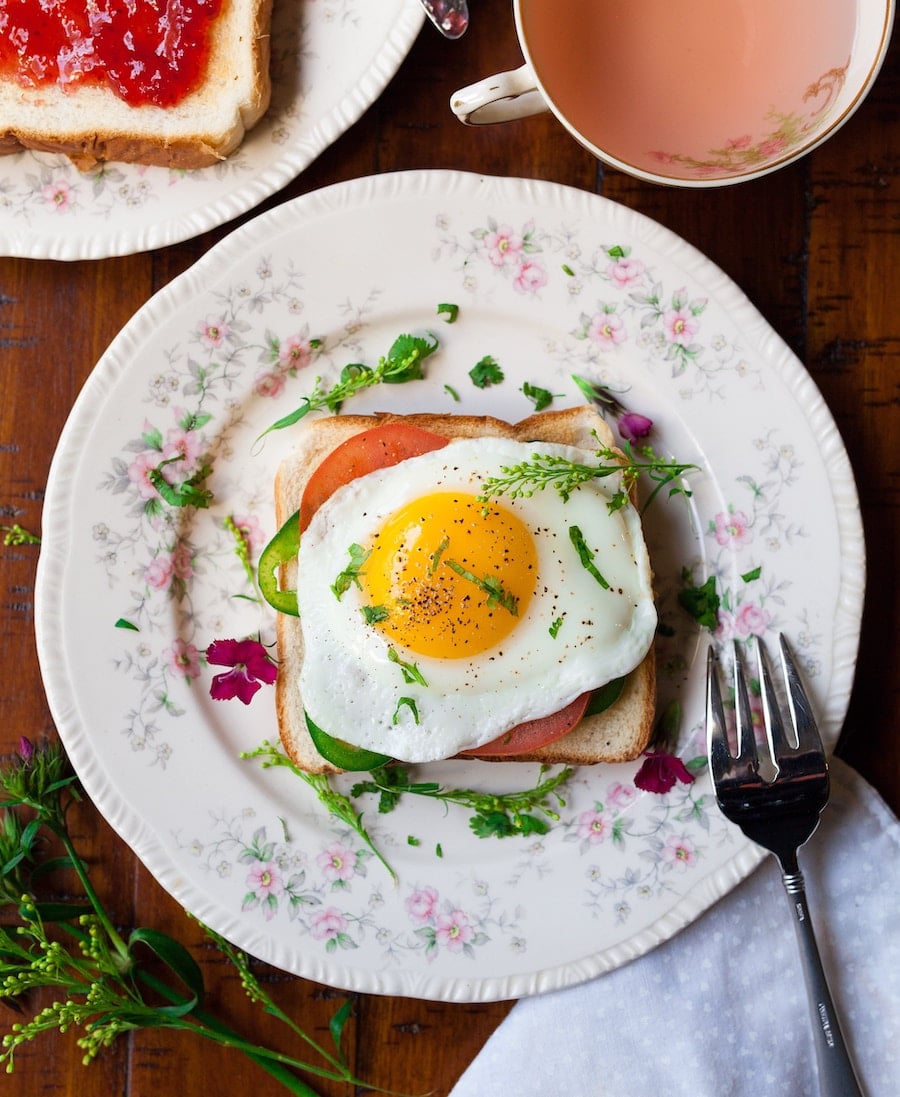
- Fat fish (tuna, mackerel & salmon)
- Eggs
- Vitamin D fortified foods (cereal, soy milk, orangish juice)
- Vitamin D supplement (speak with your physician or dietitian before taking whatever supplements)
Bottom Line on Dairy and Colic in Babies
If you've ruled out breastfeeding technique, digestive problems, and other common symptoms, and are at your wits end (I get it), you may want to endeavour removing dairy temporarily until symptoms reside. Personally, dairy wasn't the culprit for us, time was. As soon every bit Infant E and I got through the "100 days of darkness", he transformed into a SUPER happy kid. He nevertheless is drinking mamas milk (and I eat a lot of dairy), and ADORES ricotta, yogurt, butter, cheese and the occasional lick of mama's ice cream. If you're unsure of how to come across your needs without dairy, be sure to speak to a Registered Dietitian to aid guide you lot through the emptying and reintroduction process. Skilful luck mamas, you got this!
Contribution Past:
Gabriela Abreu
Updated on Baronial eighth, 2020

hatcherhiserfuld1949.blogspot.com
Source: https://www.abbeyskitchen.com/colic-in-babies-and-dairy-breastfeeding-moms/
0 Response to "Baby Colic, Cutting Out Milk Vs All Dairy"
Post a Comment